
Basilica Minore del Santo Niño and Cebu Metropolitan Cathedral
A Historic Walk Through Faith in Cebu










Explore Two of Cebu’s Most Iconic Churches
in One Meaningful Visit
If you’re visiting Cebu City, one of the most rewarding cultural experiences you can have is walking between the Basilica Minore del Santo Niño and the Cebu Metropolitan Cathedral.
Located just minutes apart in the heart of the city, these two churches are more than religious landmarks. They are living reminders of how Cebu became one of the most historically important places in the Philippines. Visiting both gives you not only a spiritual and cultural experience, but also a deeper understanding of the city’s story.
Basilica Minore del Santo Niño:
Where Cebu’s Christian Story Began
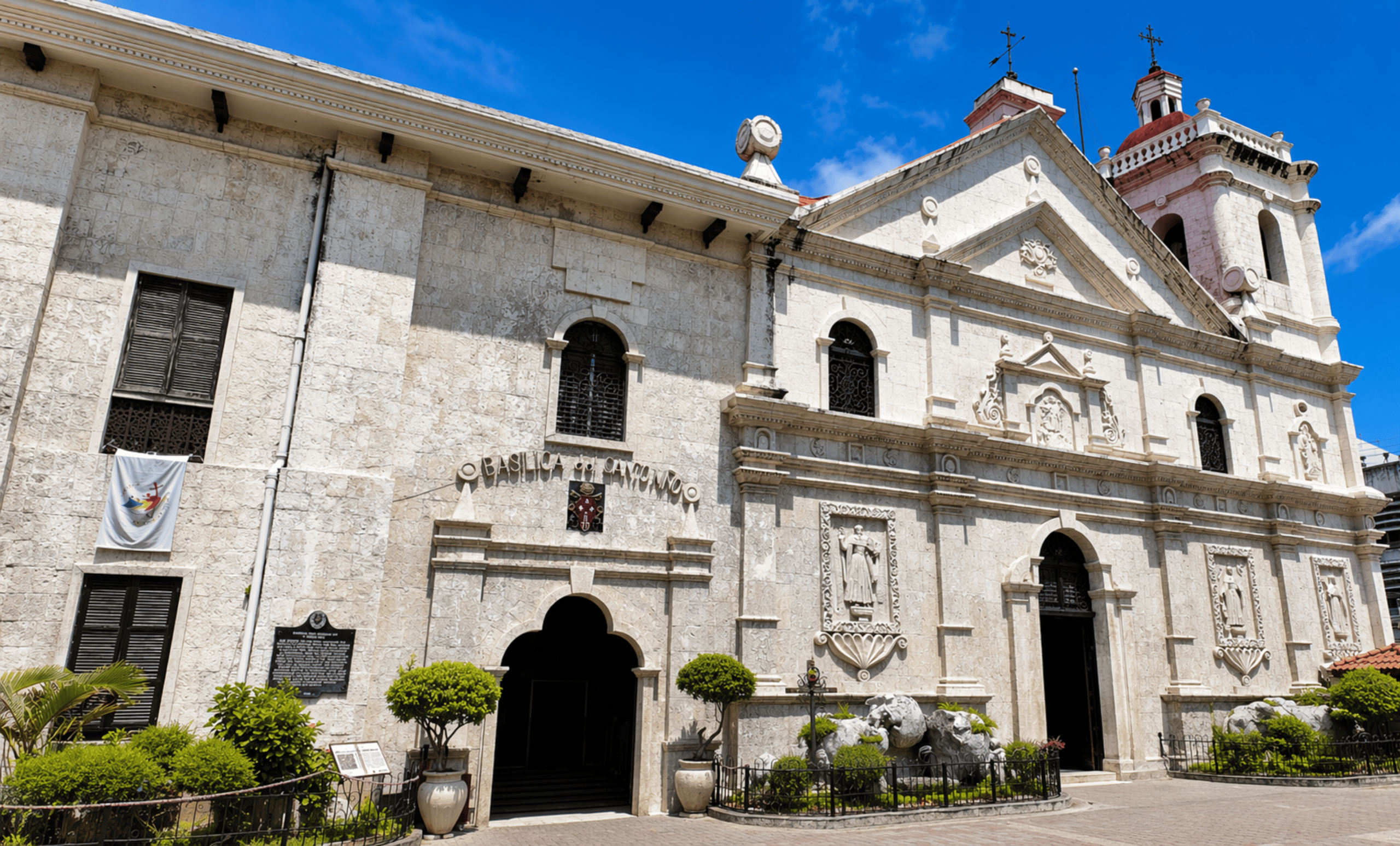
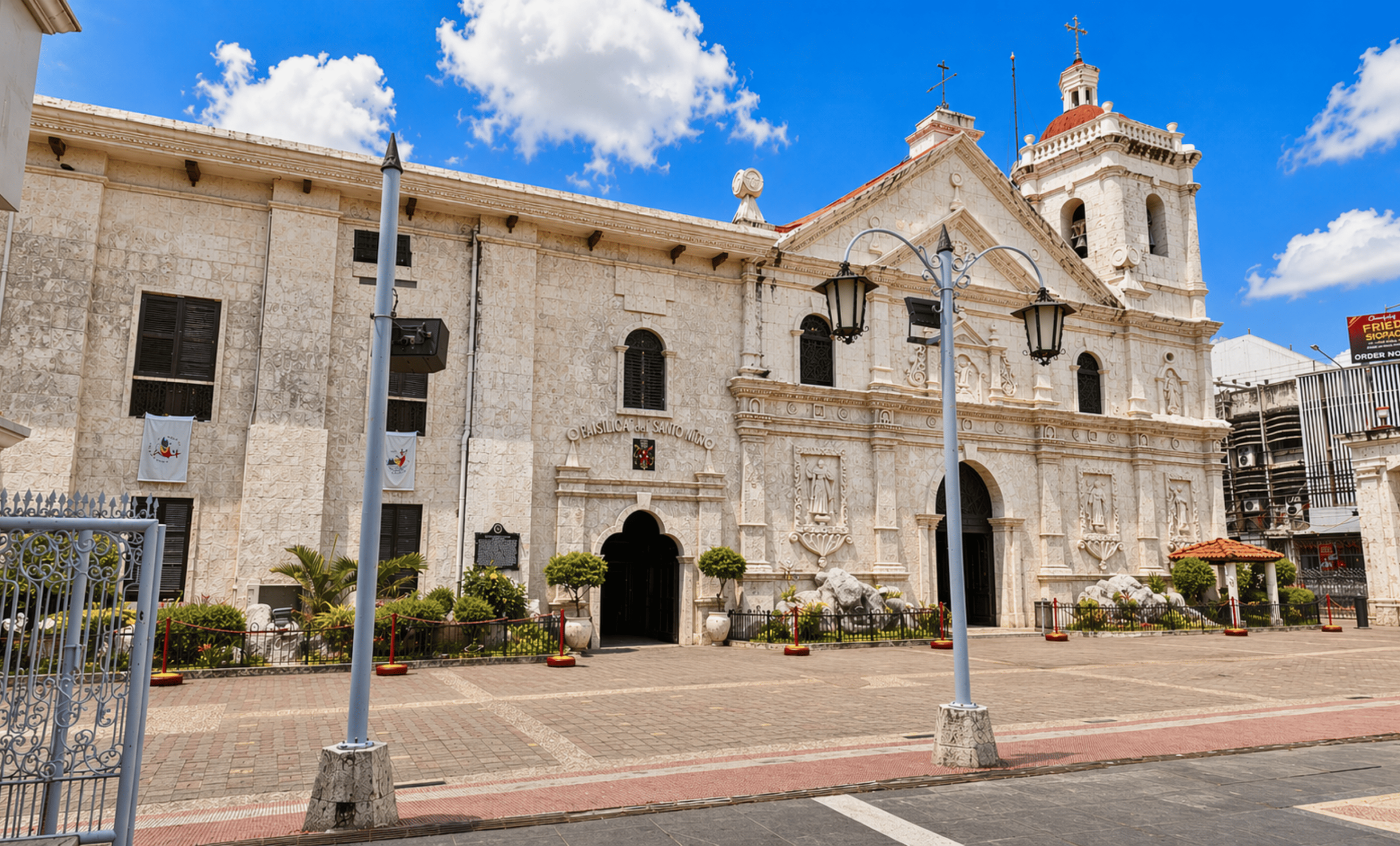
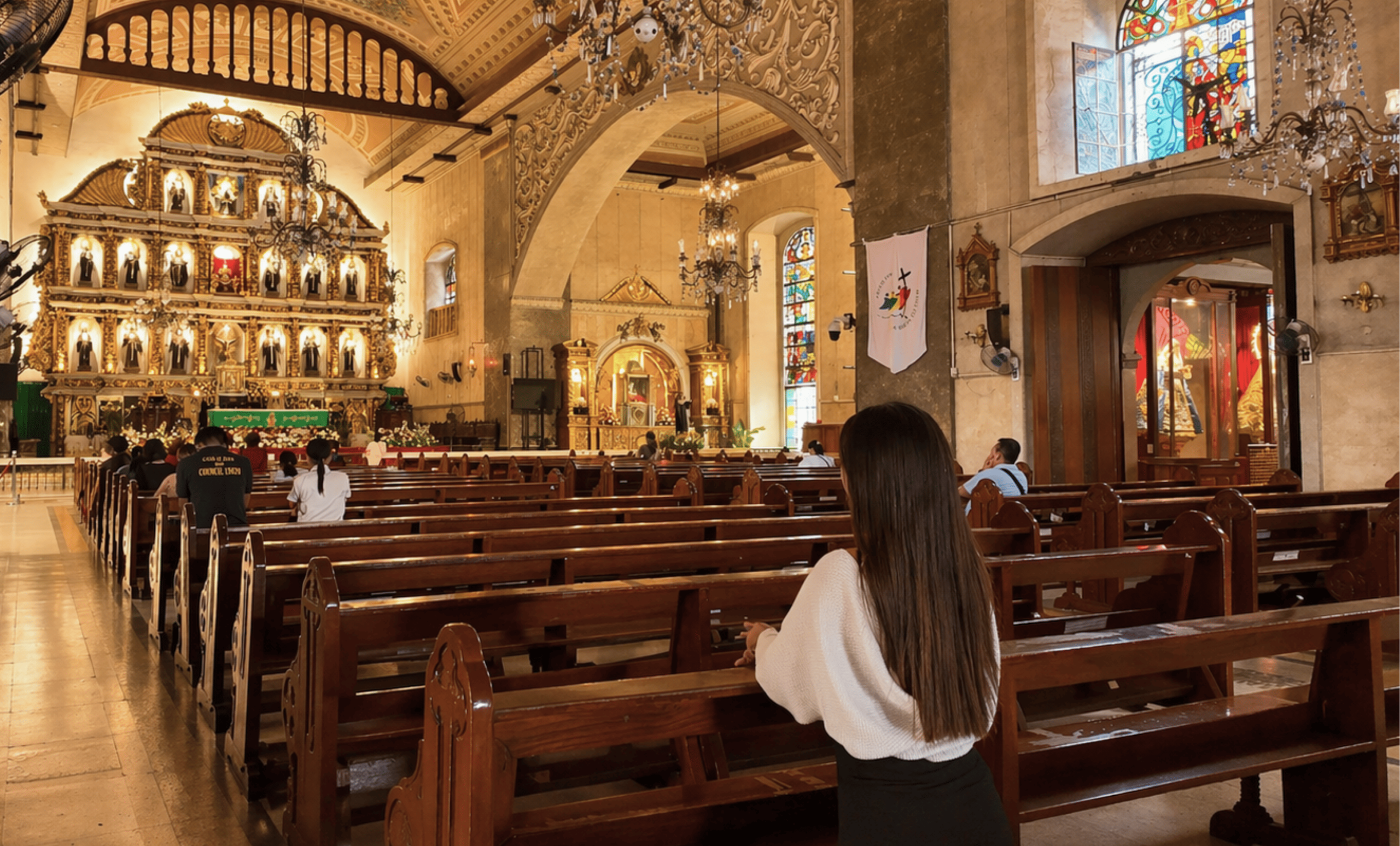
The Basilica Minore del Santo Niño is widely known as the oldest Roman Catholic church in the Philippines, and for many visitors, it is one of the most moving places to visit in Cebu.
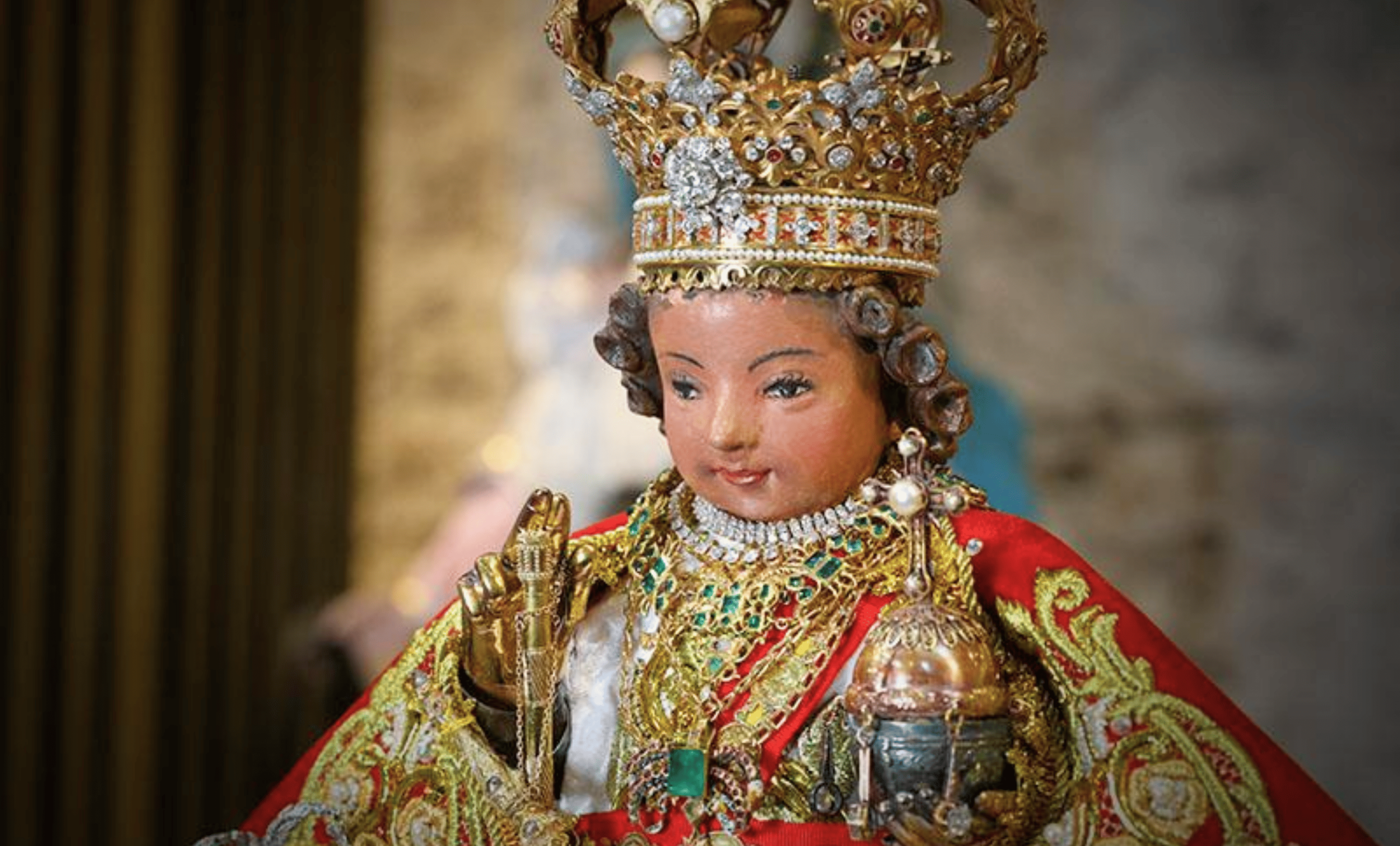
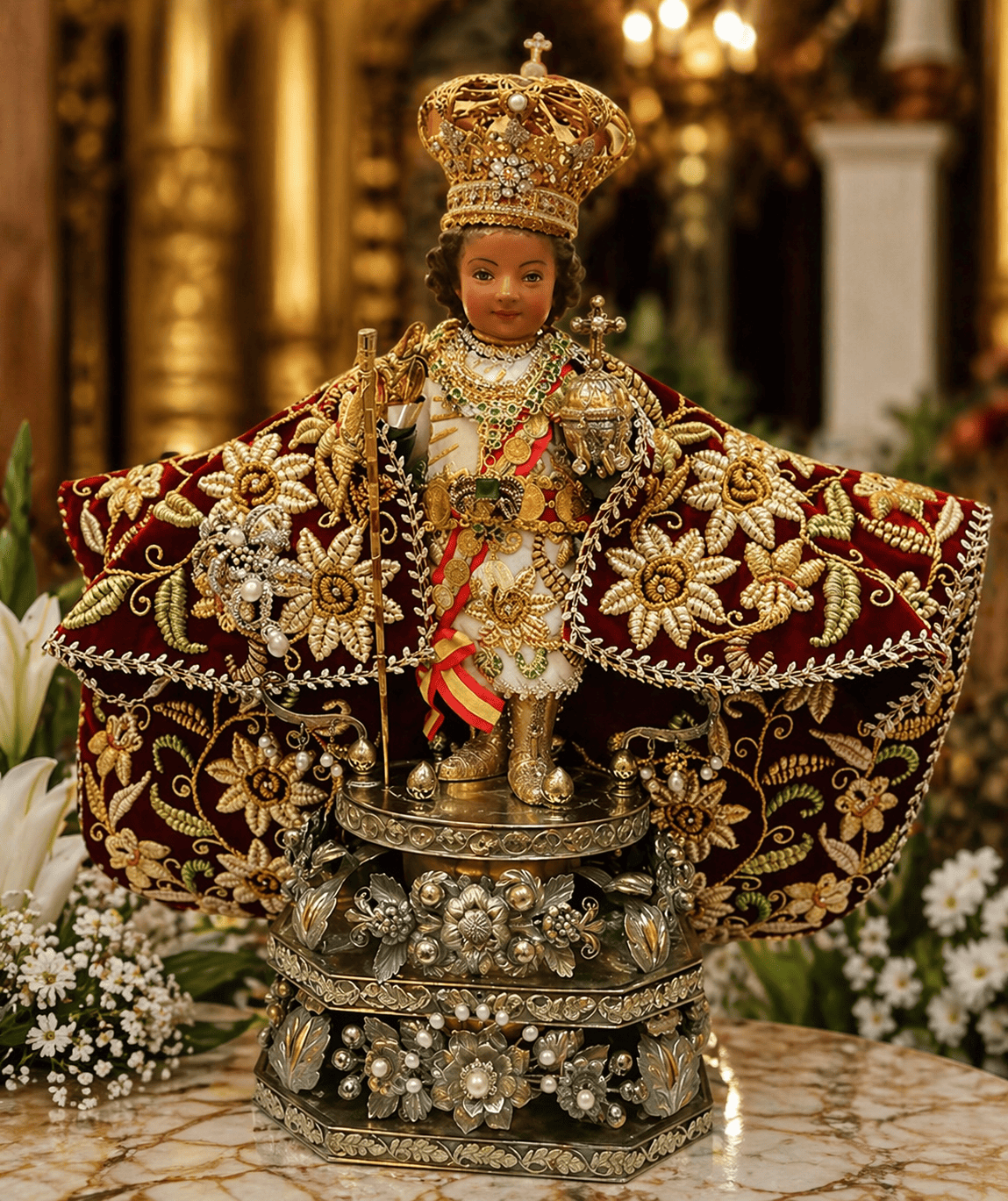
Its significance is closely tied to the arrival of Spanish explorers in 1521, when Ferdinand Magellan came to Cebu and introduced Christianity to local leaders. The image of the Santo Niño, or the Child Jesus, was given as a baptismal gift to Rajah Humabon’s wife, Hara Amihan, who later became known as Queen Juana.
That image would become one of the most important religious symbols in the country.
Years later, in 1565, Spanish forces led by Miguel López de Legazpi arrived in Cebu and discovered the image of the Santo Niño preserved inside a burned wooden house. That moment was seen as miraculous and became a major turning point in the spread of Catholic devotion in the Philippines.
Today, the Basilica remains full of life and devotion. It is not just a church people visit for history. It is a church people return to with prayer, gratitude, and hope. You will see devotees lighting candles, attending mass, and quietly offering personal prayers. During Sinulog season, the energy becomes even more powerful, with the Santo Niño at the center of one of the country’s most celebrated religious and cultural festivals.
Cebu Metropolitan Cathedral:
A Church Built Through Time and Resilience
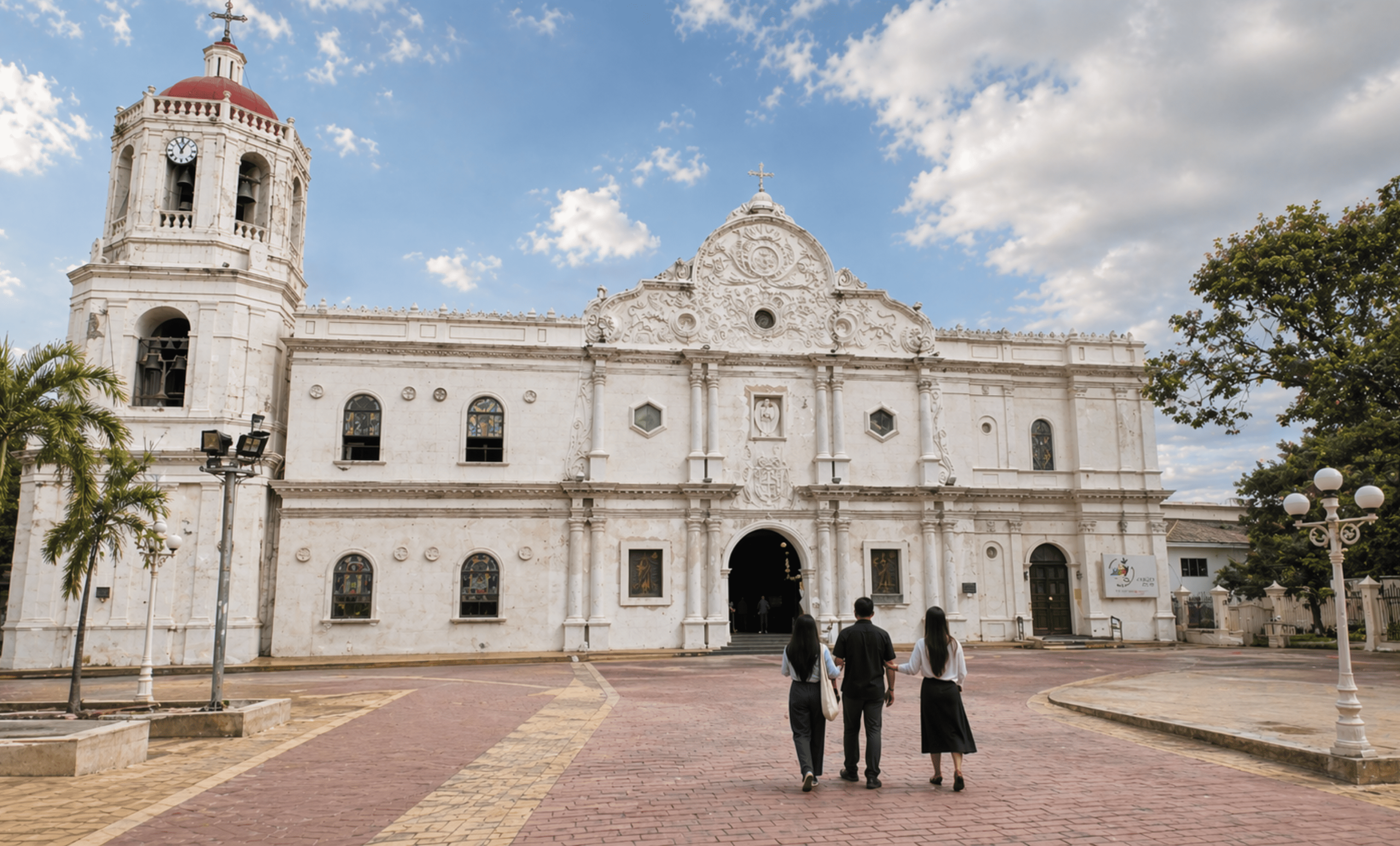
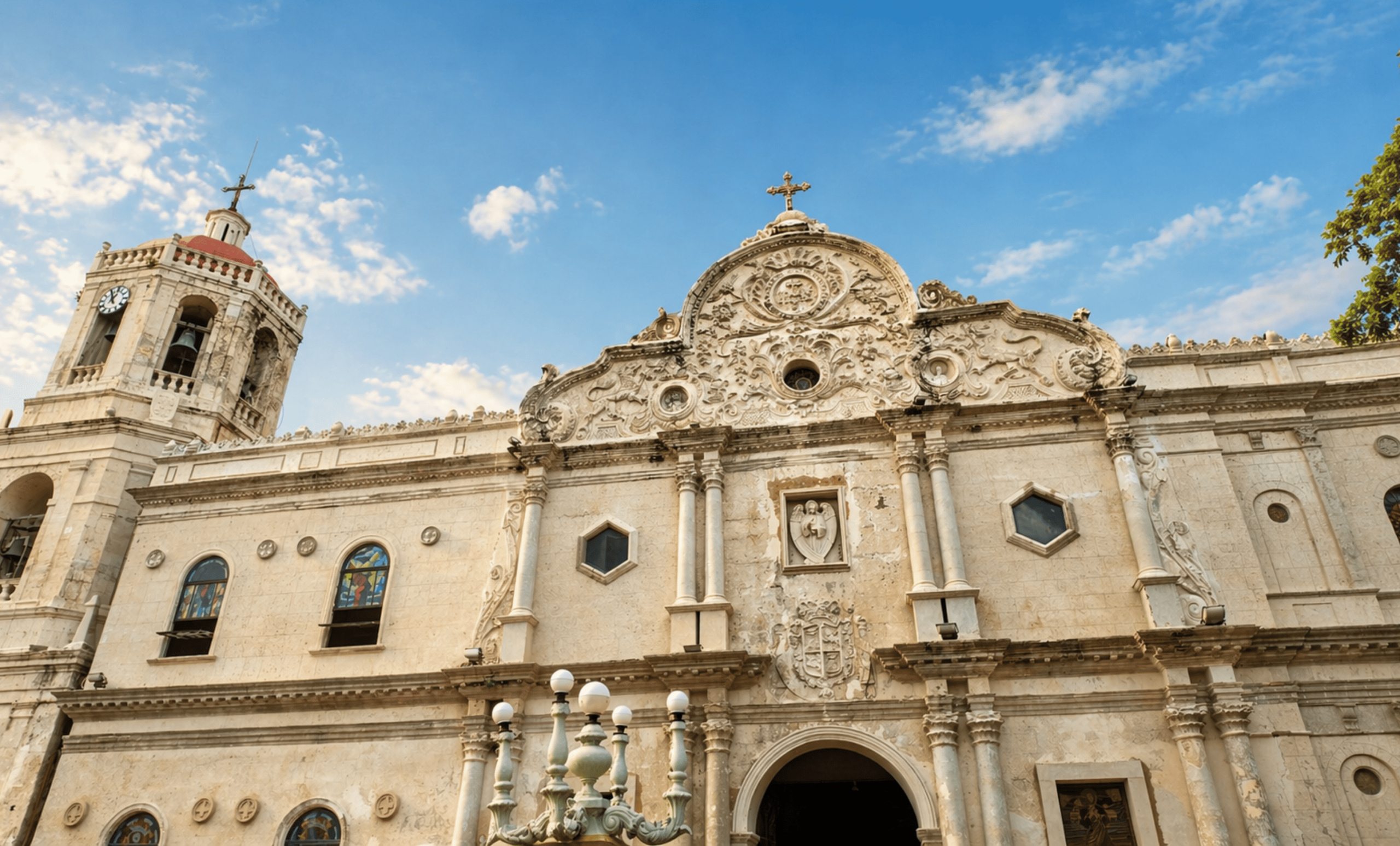
A short walk from the Basilica brings you to the Cebu Metropolitan Cathedral, another major religious landmark with its own rich story.
While the Basilica is closely tied to the beginning of Christianity in Cebu, the Cathedral represents the growth of the Church in the city over the centuries. It serves as the ecclesiastical seat of the Archdiocese of Cebu, making it one of the most important churches in the region.
The history of the Cathedral goes back to the early Spanish colonial period. Over time, the structure went through several phases of construction, damage, and rebuilding. Like many old churches in the Philippines, it endured the challenges of war, natural wear, and changing times. What stands today reflects both old-world architecture and the resilience of a city that has preserved its spiritual center through generations.
Compared to the constant flow of devotees at the Basilica, the Cathedral feels calmer and more reflective. Its spacious interior, classic lines, and solemn atmosphere make it the kind of place where you sit for a while, look around, and feel the weight of history in a quieter way.
Why Visiting Both Churches Makes
the Experience More Meaningful
What makes this walk special is not just that the churches are close to each other. It is that each one tells a different part of Cebu’s story.
The Basilica Minore del Santo Niño connects you to the arrival of Christianity and the devotion that continues to shape Filipino faith today. The Cebu Metropolitan Cathedral shows how that faith matured, took root, and became part of Cebu’s identity across centuries.
Together, they give you two different but connected experiences. The Basilica feels alive, devotional, and emotional. The Cathedral feels solemn, historic, and reflective. That contrast is what makes visiting both more memorable than seeing just one.
Opening Hours
Visitors often include both churches in one trip because they are easy to access within Cebu’s historic district.
General visiting hours are commonly observed as follows:
| Church | Schedule |
|---|---|
| Basilica Minore del Santo Niño | Open daily from 5:00 AM to 8:00 PM |
| Cebu Metropolitan Cathedral | Open daily from 6:00 AM to 6:00 PM |
Since schedules may change due to masses, church activities, or special religious events, it is always best to check ahead before your visit.
Travel Tips for First-Time Visitors
To make the most of your visit, it helps to plan your time well.
Morning is ideal if you prefer fewer crowds and a more peaceful atmosphere. Late afternoon is also a good option if you want to experience more local activity. If you are visiting during Sinulog season, expect a much livelier and more crowded setting.
You may also want to:

💧 Bring Water
Especially if you plan to walk around nearby historic sites under the sun.
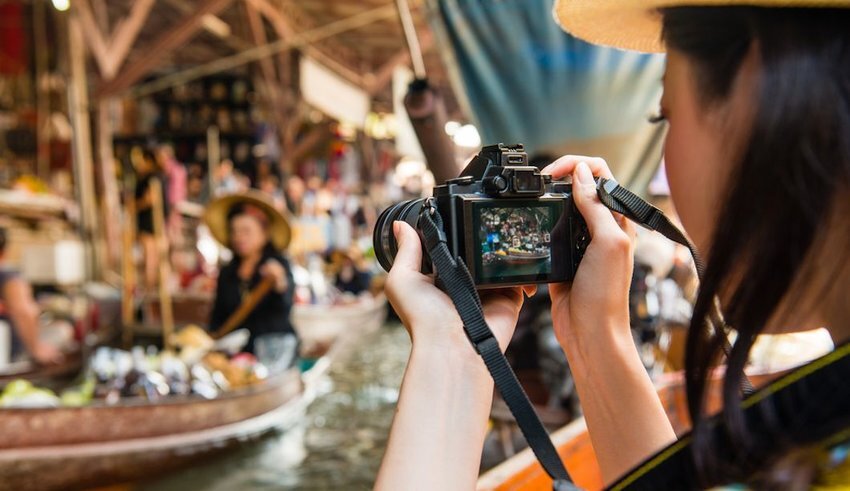
📸 Be Respectful
Always be mindful when taking photos, especially inside church premises.
🙏 Respect Worship
Avoid interrupting prayer times or ongoing mass services.
📍 Explore Nearby
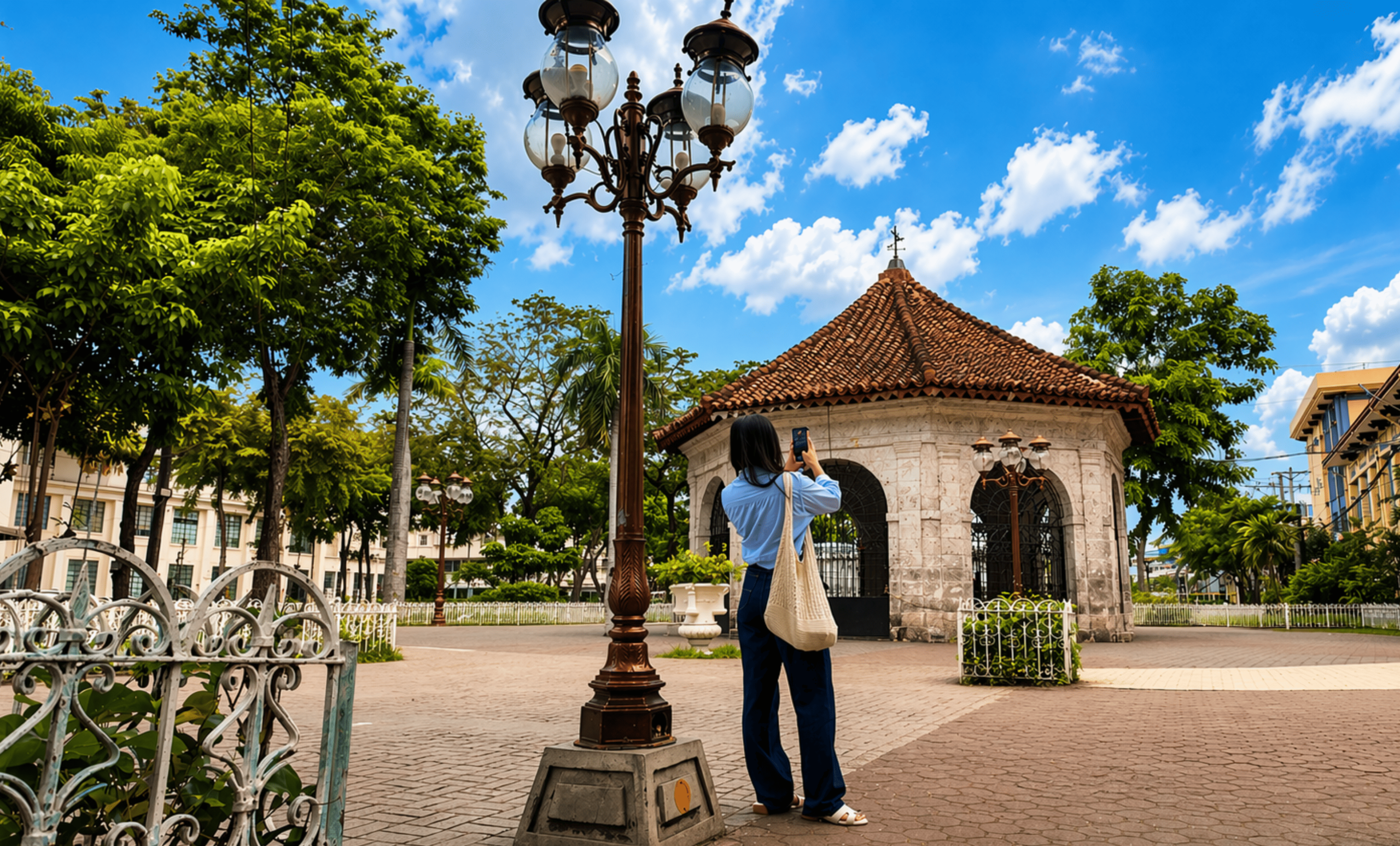
Pair your visit with nearby landmarks for a richer Cebu experience.
Why These Churches Matter to Cebu
Cebu is often known for its beaches, food, and city life, but these churches reveal another side of the destination. They show Cebu as a place where history, faith, and daily life continue to meet.
For locals, these churches are not just tourist stops. They are part of memory, tradition, and spiritual life. For visitors, they offer something deeper than a photo opportunity. They offer context.
You are not just seeing old buildings. You are walking through places that helped shape the identity of Cebu and the Philippines.
A Convenient Visit from Harolds Hotel Cebu
Cebu is often known for its beaches, food, and city life, but these churches reveal another side of the destination. They show Cebu as a place where history, faith, and daily life continue to meet.
For locals, these churches are not just tourist stops. They are part of memory, tradition, and spiritual life. For visitors, they offer something deeper than a photo opportunity. They offer context.
Short travel time from the hotel to historic churches.
Arranged transport for a smooth and comfortable visit.
Final Thoughts
A visit to the Basilica Minore del Santo Niño and the Cebu Metropolitan Cathedral is one of the simplest yet most meaningful things you can do in Cebu City.
In just one short visit, you move through centuries of history, devotion, and culture. One church tells the story of a faith first introduced. The other reflects how that faith endured and grew.
If you want to experience a side of Cebu that feels authentic, historic, and lasting, this is a walk worth taking.